
Blog Post
Why Media Organizations are Increasingly Adopting Software-Based Production Models
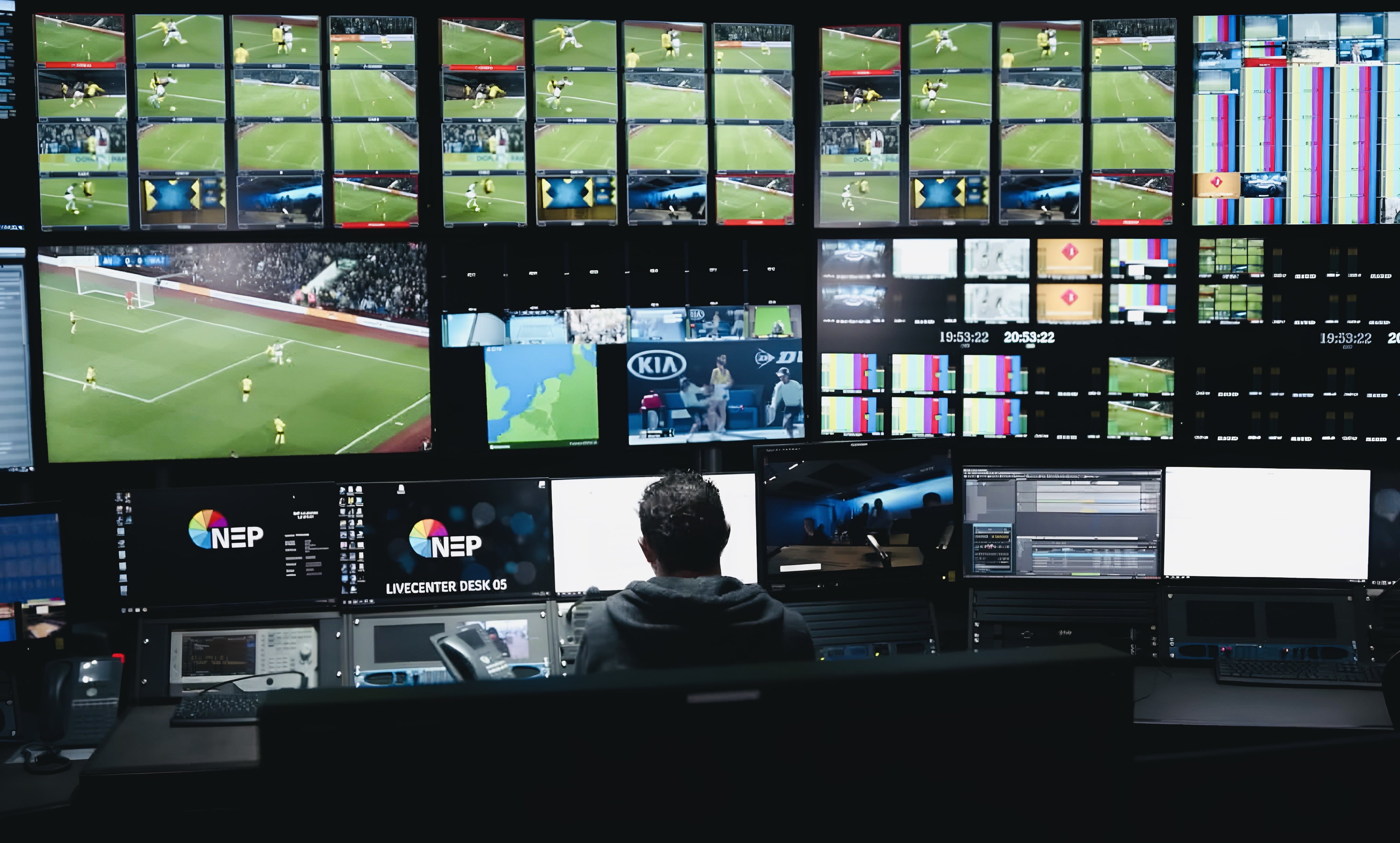
In our first article, we explored the difference between software orchestration platforms like NEP Platform and broadcast control systems like TFC, and the distinct roles they play within modern media production.
The next question is just as important:
Why are media organizations increasingly adopting software-based production models?
The answer isn't simply about adopting new technology.
It's about responding to fundamental changes in how live content is created, managed and delivered.
Production environments are becoming more distributed. Audiences expect more content across more platforms. Technology continues to evolve rapidly, and organizations are under increasing pressure to deliver greater flexibility, efficiency and scalability without abandoning the infrastructure they've already invested in.
For many organizations, software provides a practical path forward.
Why This Matters for Media Organizations
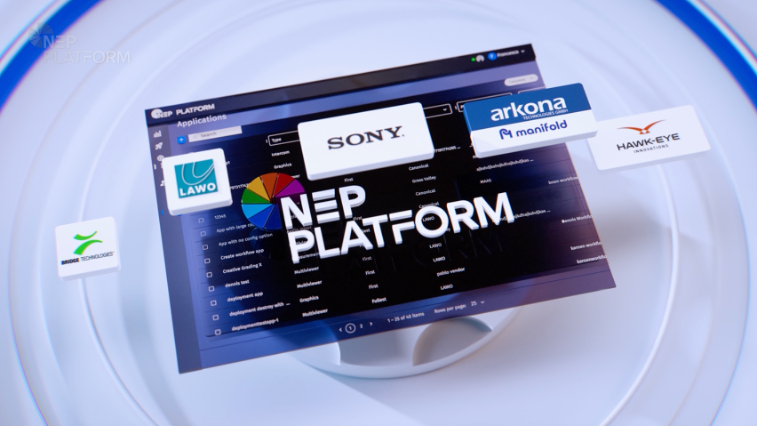
Customer conversations around NEP Platform consistently focus on several business priorities:
- Improving resource efficiency
- Scaling operations more effectively
- Preserving existing technology investments, including hardware
- Avoiding vendor lock-in
- Increasing operational flexibility
- Supporting future technology adoption
Organizations want to modernize, but they also want to do so incrementally, making the transition operationally manageable.
Many are looking for ways to begin with a single workflow, production function, control room or project before expanding over time. Others want the flexibility to integrate software-based workflows alongside existing hardware investments rather than replacing infrastructure wholesale.
Software orchestration platforms and broadcast control systems help support that transition.
Together, they provide a path toward software-defined production that balances innovation with operational stability, helping organizations modernize at a pace that aligns with their business objectives.
Bringing Software Orchestration and Broadcast Control Together
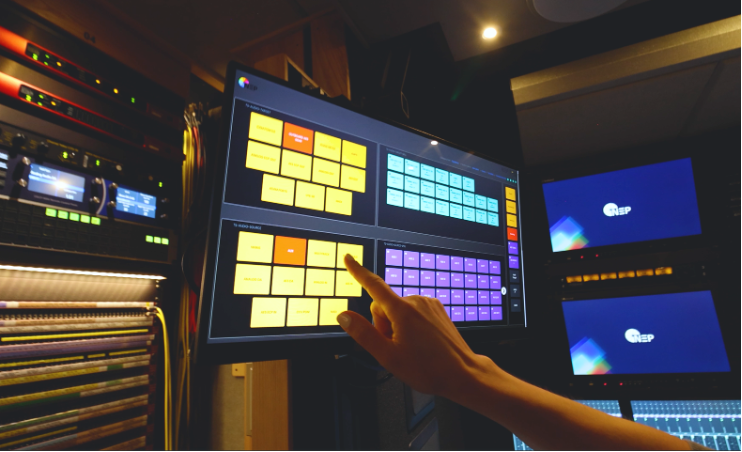
Modern production requires both orchestration and control.
A software orchestration platform, like NEP Platform, helps organizations deploy the right applications and resources for each production.
A broadcast control system, like TFC, helps operators manage, monitor and control the environment those resources run within.
Rather than replacing one another, they serve complementary roles.
Together, software orchestration platforms and broadcast control systems help organizations build production environments that are:
- More scalable
- More flexible
- Easier to manage
- More repeatable
- Better aligned to hybrid and software-defined production models
For example, a media organization may use NEP Platform to deploy and scale production applications across a combination of on-premises infrastructure, mobile units and cloud resources. TFC then provides the operational visibility and control needed to manage the underlying broadcast, IT and network environment.
Together, NEP Platform and TFC help reduce complexity while increasing operational consistency and efficiency.
The result is a production model that allows organizations to modernize at their own pace while maintaining the flexibility to evolve as technology, workflows and business requirements continue to change.
Looking Ahead
Software-defined production isn't simply changing the technology organizations use—it is changing how production environments are designed, deployed and managed.
But technology alone isn't enough.
As organizations continue this transition, the people behind the technology are just as important. Operational expertise, global support and the experience gained from delivering some of the world's largest and most complex live productions are becoming critical to long-term success.
In the final article in this series, we'll explore why those capabilities are increasingly becoming a competitive advantage—and how operational experience helps organizations confidently deploy, manage and evolve modern software-based production environments.
Continue the conversation.
Every organization's path to software-defined production is different. Whether you're exploring software orchestration, broadcast control or planning your long-term technology strategy, our software solutions experts are here to help.