
Blog Post
5 Ways Centralized Production Connects The World: Part One
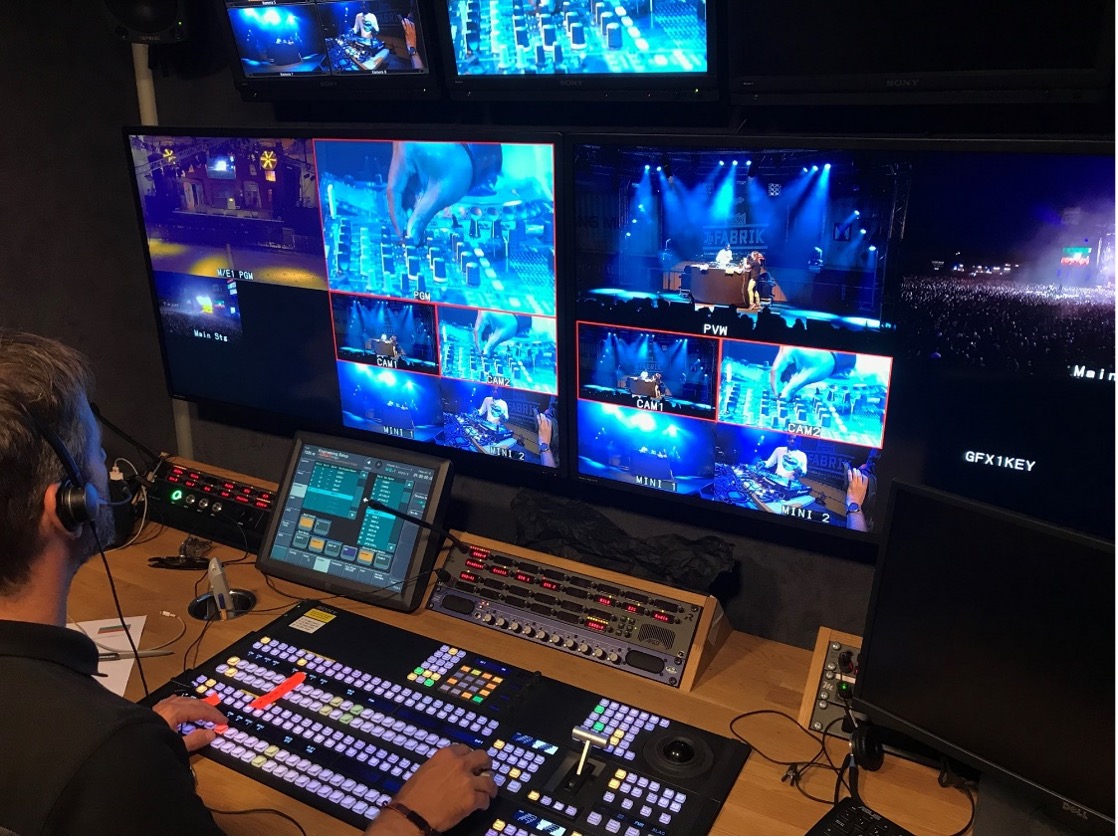
In a decentralized world, Centralized Production has emerged as a set of tools for great storytelling, from anywhere. It’s the key to decentralized production workflows: that is, production methods that happen in multiple locations at the same time.
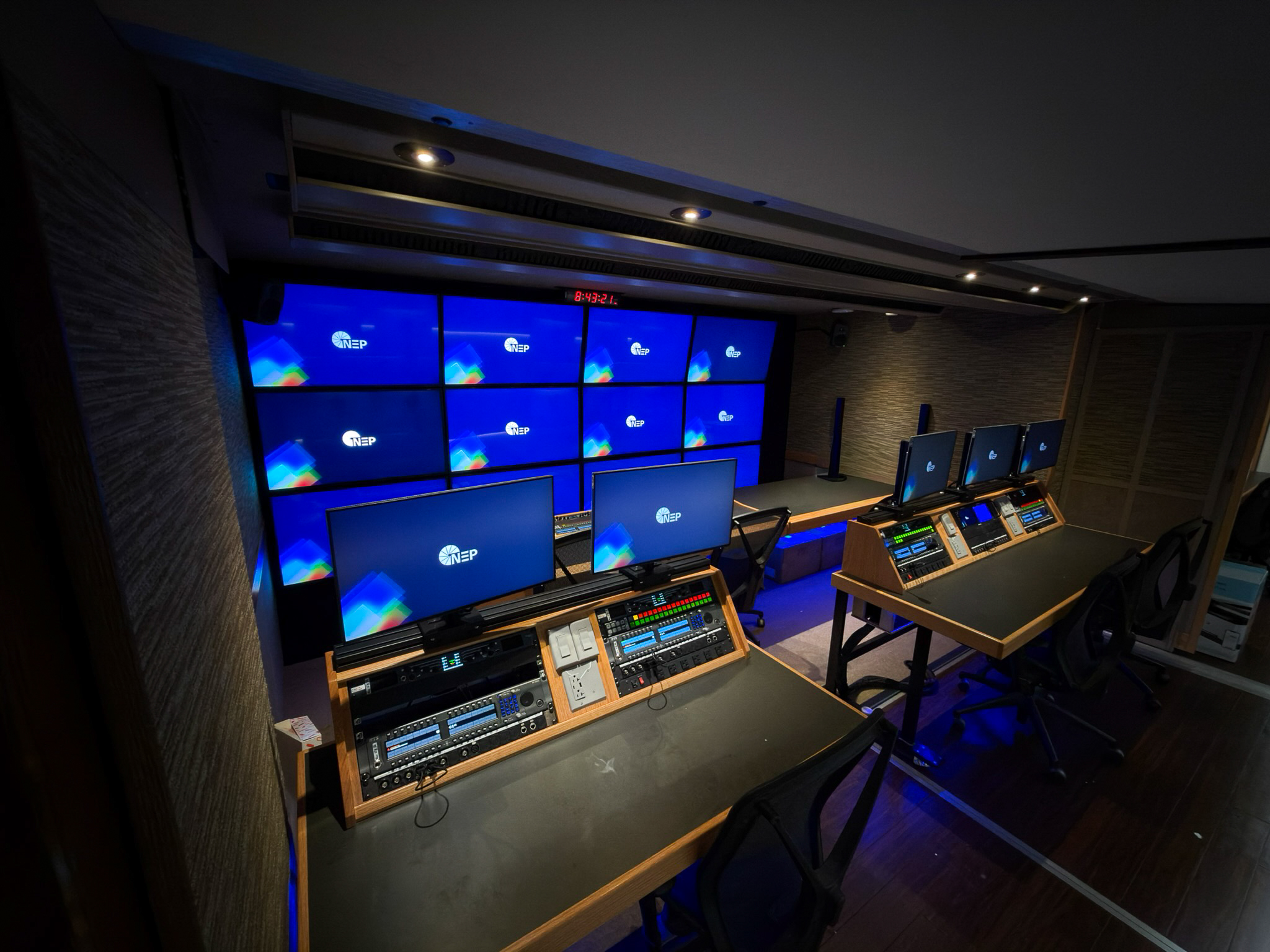
At NEP, we harness the potential of remote production by centralizing our resources in datacenters. Centralization makes these resources—like equipment, key systems, and media storage—accessible via a network of production facilities. From outside broadcast to the studio, Centralized Production opens a world of possibilities for remote workflow and access to creative teams across time zones. Whether you call it remote production, hybrid production, or centralized production, it’s here to stay—and it’s part of a global way of getting content into the world.
Over the next five weeks, we’ll explore five ways that NEP’s Centralized Production methods connect to create a Global Production Ecosystem: our network of people, places, and technologies that bring great stories to the world every day.
Part 1: Focus on Flexibility
It’s all about customized workflows. Centralizing resources in datacenters allows teams to tap exactly the resources they need when they need them. Flexible access to resources makes it easier to scale productions up and down as needed.
Because these centralized resources are part of a network, teams can work where they want, when they want. This can mean everyone on location, everyone working remotely, and everything in between can change from production to production, show to show, week to week. Say a production team needs to shoot a gameshow in the morning and a football game in the evening. With a suite of connected production facilities and equipment, the transition between roles becomes simple.
That’s the beauty of Centralized Production’s remote capabilities. It doesn’t have to be all or nothing: it’s flexible. Depending on the nature and scale of the production, it’s easy to add on services like live encoding for streaming, supplemental feed production, and remote editing.
Speaking of flexibility, when your infrastructure is IP-based and centralized in datacenters, it also becomes easier to adapt and change with emerging video formats, from 1080p, 1080p HD, UHD, 4K and beyond. And the content you capture can be managed and monetized down the line with a Media Asset Management system, all housed in secure datacenters.
Centralized Production: Part of a Global Production Ecosystem
When you tap into centralized resources for customizable workflows, your production becomes whatever you make of it. At NEP, we’ve created a Global Production Ecosystem that allows networks and leagues to use the resources they need, when they need them. To learn more about how you can connect to Centralized Production with NEP, give us a shout and stay tuned for next week’s post.